Holistic Approaches to Mental Health: Coping Strategies
In today's fast-paced world, mental health has become a crucial topic of discussion. Many people are seeking ways to cope with stress, anxiety, and other mental health challenges. While traditional methods like therapy and medication are effective for many, holistic approaches offer additional strategies that can enhance overall well-being. This blog post explores various holistic coping strategies that can help you manage your mental health more effectively.
Understanding Holistic Health
Holistic health focuses on the whole person, considering physical, emotional, social, and spiritual aspects. It emphasizes the interconnectedness of these elements and how they contribute to overall well-being. By adopting a holistic approach, individuals can find balance and harmony in their lives.
The Importance of Mind-Body Connection
The mind-body connection is a fundamental concept in holistic health. It suggests that our mental state can significantly impact our physical health and vice versa. For example, stress can lead to physical symptoms like headaches or fatigue. Conversely, physical activity can boost mood and reduce anxiety.
Benefits of Holistic Approaches
Holistic approaches to mental health offer several benefits, including:
Comprehensive Care: They address multiple aspects of well-being, not just symptoms.
Empowerment: Individuals learn to take charge of their health through self-care practices.
Personalization: Holistic strategies can be tailored to fit individual needs and preferences.
Coping Strategies for Mental Health
Here are some effective holistic coping strategies that can help improve mental health:
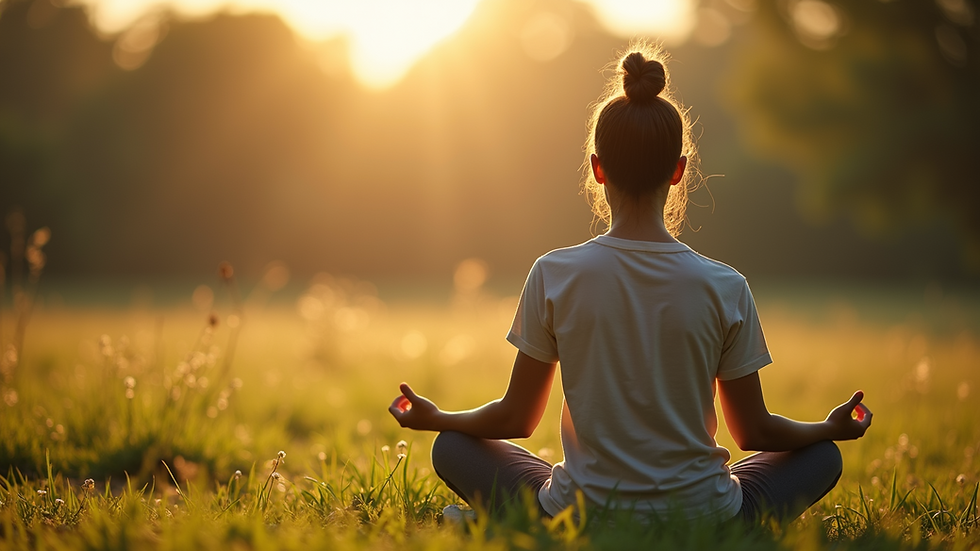
1. Mindfulness and Meditation
Mindfulness involves being present in the moment without judgment. It can help reduce stress and anxiety. Meditation is a practice that enhances mindfulness. Here are some simple ways to incorporate mindfulness into your daily routine:
Breathing Exercises: Take a few minutes each day to focus on your breath. Inhale deeply, hold for a moment, and exhale slowly.
Body Scan: Lie down comfortably and mentally scan your body from head to toe, noticing any tension or discomfort.
Mindful Walking: Take a walk in nature, paying attention to the sights, sounds, and smells around you.
2. Physical Activity
Regular physical activity is essential for mental health. Exercise releases endorphins, which are natural mood lifters. Here are some enjoyable ways to stay active:
Yoga: This practice combines physical movement with breath control and meditation, promoting relaxation and mental clarity.
Dancing: Whether in a class or at home, dancing can be a fun way to express yourself and boost your mood.
Outdoor Activities: Hiking, biking, or simply walking in a park can help you connect with nature and improve your mental state.
3. Nutrition and Hydration
What we eat and drink can significantly affect our mental health. A balanced diet rich in nutrients can enhance mood and cognitive function. Consider these tips:
Eat Whole Foods: Focus on fruits, vegetables, whole grains, and lean proteins. These foods provide essential nutrients for brain health.
Stay Hydrated: Dehydration can lead to fatigue and irritability. Aim to drink enough water throughout the day.
Limit Processed Foods: Reduce intake of sugary snacks and fast food, which can lead to mood swings and energy crashes.
4. Social Connections
Building and maintaining strong social connections is vital for mental health. Supportive relationships can provide comfort and reduce feelings of isolation. Here are some ways to strengthen your social ties:
Join a Group: Participate in community activities or clubs that interest you. This can help you meet new people and build friendships.
Reach Out: Don’t hesitate to contact friends or family when you need support. A simple phone call or text can make a difference.
Volunteer: Helping others can boost your mood and create a sense of purpose. Look for local organizations that need volunteers.
5. Creative Expression
Engaging in creative activities can be a powerful way to cope with stress and express emotions. Here are some creative outlets to consider:
Art: Drawing, painting, or crafting can provide a therapeutic release. You don’t need to be an expert; just let your creativity flow.
Writing: Journaling can help you process thoughts and feelings. Consider writing about your day, your goals, or even poetry.
Music: Playing an instrument or listening to music can elevate your mood and provide comfort.
Integrating Holistic Practices into Daily Life
Incorporating holistic practices into your daily routine can be simple and rewarding. Here are some tips to help you get started:
Create a Routine
Establishing a daily routine can provide structure and stability. Include time for mindfulness, physical activity, and creative expression.
Set Realistic Goals
Start with small, achievable goals. For example, aim to meditate for five minutes each day or take a short walk. Gradually increase the time as you become more comfortable.
Be Patient with Yourself
Change takes time. Be kind to yourself as you explore new coping strategies. Celebrate small victories and don’t be discouraged by setbacks.
Seeking Professional Help
While holistic approaches can be beneficial, they are not a substitute for professional help when needed. If you are struggling with severe mental health issues, consider reaching out to a mental health professional. They can provide guidance and support tailored to your needs.
Final Thoughts on Holistic Mental Health
Embracing holistic approaches to mental health can lead to a more balanced and fulfilling life. By incorporating mindfulness, physical activity, nutrition, social connections, and creative expression into your routine, you can develop effective coping strategies. Remember, mental health is a journey, and it is essential to find what works best for you.

As you explore these holistic strategies, keep an open mind and be willing to adapt. Your mental health is worth the effort, and with the right tools, you can navigate life's challenges with resilience and grace.

Comments