Alternative Remedies for Anxiety and Depression Relief
Anxiety and depression can feel overwhelming. Many people search for ways to find relief from these feelings. While traditional treatments like therapy and medication are effective for many, alternative remedies can also play a significant role in managing symptoms. This blog post explores various alternative remedies that may help you or someone you know find relief from anxiety and depression.
Understanding Anxiety and Depression
Before diving into alternative remedies, it is essential to understand what anxiety and depression are.
Anxiety is a feeling of worry, nervousness, or fear about something with an uncertain outcome. It can manifest in various ways, including restlessness, rapid heartbeat, and difficulty concentrating.
Depression, on the other hand, is a mood disorder that causes persistent feelings of sadness and loss of interest. It can affect how you feel, think, and handle daily activities.
Both conditions can significantly impact your quality of life. Recognizing the symptoms is the first step toward finding effective relief.
The Role of Lifestyle Changes
Making lifestyle changes can be a powerful way to manage anxiety and depression. Here are some practical steps you can take:
1. Regular Exercise
Exercise is one of the most effective ways to reduce anxiety and depression. Physical activity releases endorphins, which are chemicals in the brain that act as natural painkillers and mood elevators.
Aim for at least 30 minutes of moderate exercise most days of the week.
Activities like walking, jogging, cycling, or dancing can be beneficial.
2. Healthy Diet
What you eat can significantly affect your mood. A balanced diet rich in fruits, vegetables, whole grains, and lean proteins can help improve your mental health.
Omega-3 fatty acids, found in fish like salmon, can reduce symptoms of depression.
Foods rich in antioxidants, such as berries and leafy greens, can also support brain health.
3. Sleep Hygiene
Quality sleep is crucial for mental well-being. Poor sleep can exacerbate anxiety and depression.
Aim for 7-9 hours of sleep each night.
Create a calming bedtime routine and keep a consistent sleep schedule.
Mindfulness and Meditation
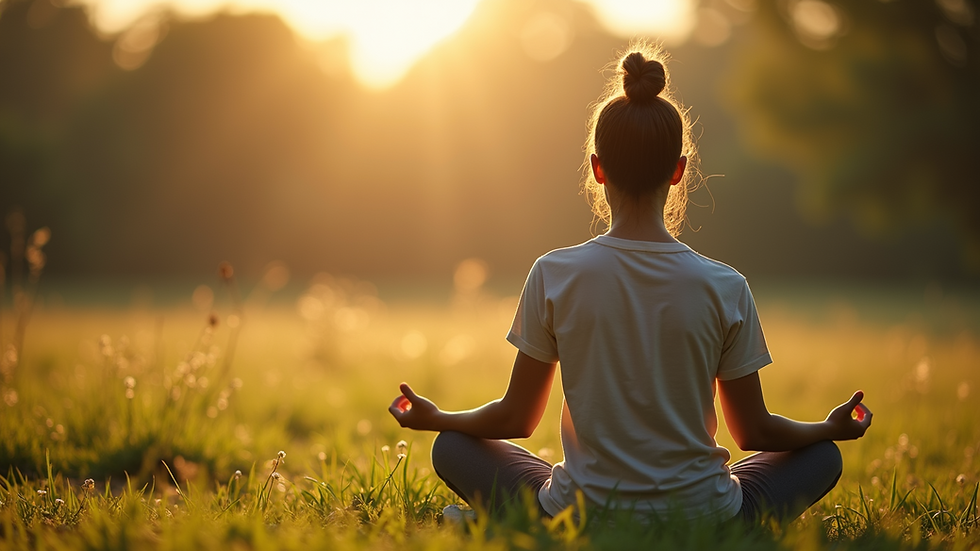
Mindfulness and meditation are powerful tools for managing anxiety and depression. They help you focus on the present moment and reduce negative thinking patterns.
1. Mindfulness Practices
Mindfulness involves paying attention to your thoughts and feelings without judgment.
Try simple practices like deep breathing or body scans.
Apps like Headspace or Calm can guide you through mindfulness exercises.
2. Meditation Techniques
Meditation can help calm your mind and reduce stress.
Start with just a few minutes each day and gradually increase the time.
Guided meditations can be particularly helpful for beginners.
Herbal Remedies
Many people turn to herbal remedies for relief from anxiety and depression. While research is ongoing, some herbs have shown promise.
1. St. John's Wort
St. John's Wort is a popular herbal remedy for mild to moderate depression.
It may help improve mood and reduce feelings of sadness.
Consult with a healthcare provider before using it, as it can interact with other medications.
2. Chamomile
Chamomile is known for its calming effects.
Drinking chamomile tea can help reduce anxiety and promote relaxation.
It is also available in supplement form.
3. Lavender
Lavender is often used for its soothing properties.
Aromatherapy with lavender essential oil can help reduce anxiety.
You can use it in a diffuser or add a few drops to your bath.
Creative Outlets
Engaging in creative activities can be a great way to express emotions and relieve stress.
1. Art Therapy
Art therapy involves using creative processes to help individuals express themselves.
You don’t need to be an artist to benefit from this. Just doodling or coloring can be therapeutic.
Consider joining a local art class or simply creating at home.
2. Writing
Writing can be a powerful tool for processing emotions.
Keeping a journal allows you to express your thoughts and feelings freely.
Try writing poetry or short stories as another form of creative expression.
Social Connections
Building and maintaining social connections is vital for mental health.
1. Support Groups
Support groups provide a safe space to share experiences and feelings.
Look for local or online groups focused on anxiety and depression.
Connecting with others who understand can be incredibly comforting.
2. Spending Time with Loved Ones
Spending time with friends and family can help lift your spirits.
Plan regular get-togethers, whether in person or virtually.
Engage in activities you enjoy together, like cooking or playing games.
Nature and Outdoor Activities
Spending time in nature can have a calming effect on the mind.
1. Nature Walks
Walking in a natural setting can reduce stress and improve mood.
Try to find local parks or nature trails to explore.
Even a short walk can make a difference in how you feel.
2. Gardening
Gardening is another way to connect with nature.
It can be a rewarding and therapeutic activity.
Growing your own plants or vegetables can also provide a sense of accomplishment.
Professional Guidance
While alternative remedies can be helpful, it is essential to seek professional guidance when needed.
1. Therapy
Therapy can provide valuable support and coping strategies.
Cognitive-behavioral therapy (CBT) is particularly effective for anxiety and depression.
A therapist can help you explore your feelings and develop a personalized plan.
2. Medication
In some cases, medication may be necessary to manage symptoms.
Consult with a healthcare provider to discuss options.
Medication can be combined with alternative remedies for a more comprehensive approach.
Finding What Works for You
Everyone's journey with anxiety and depression is unique. What works for one person may not work for another.
Experiment with different remedies and approaches to find what resonates with you.
Keep an open mind and be patient with yourself as you explore new options.
Embracing a Holistic Approach
Combining various alternative remedies can create a holistic approach to managing anxiety and depression.
Consider integrating lifestyle changes, mindfulness practices, and creative outlets into your daily routine.
Remember that self-care is essential, and taking small steps can lead to significant improvements over time.
Final Thoughts
Finding relief from anxiety and depression is a journey. While traditional treatments are essential, exploring alternative remedies can provide additional support.
By making lifestyle changes, practicing mindfulness, engaging in creative activities, and building social connections, you can take proactive steps toward better mental health.
Remember, you are not alone in this journey. Seek support, be kind to yourself, and embrace the process of healing.


Comments